
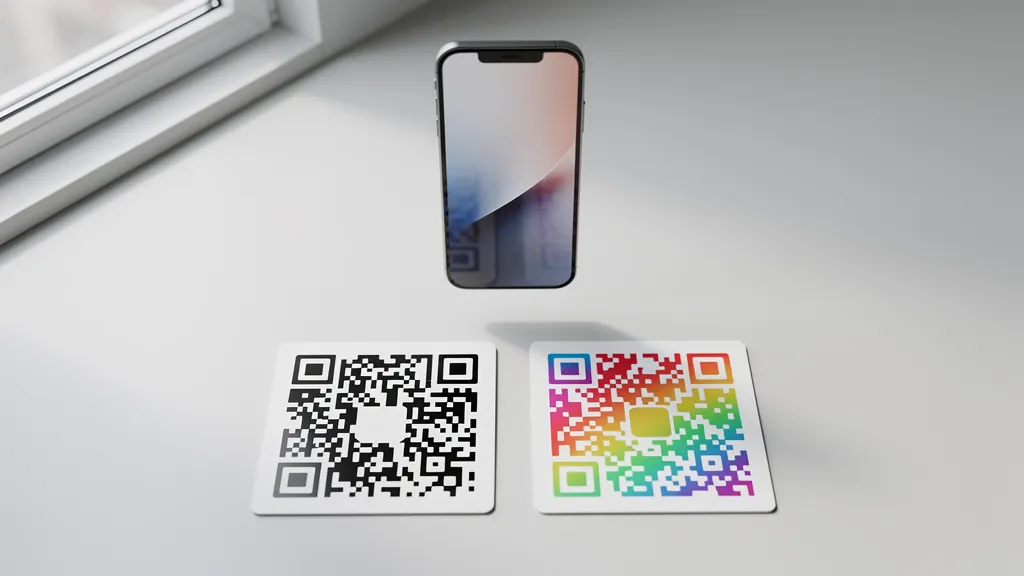
Dynamic QR codes let you change the destination URL anytime without reprinting, while static QR codes permanently encode data that cannot be modified. Choose dynamic for marketing campaigns requiring analytics and flexibility; choose static for WiFi credentials, contact cards, or offline scenarios where the content won't change.
What Are Static QR Codes?
Static QR codes encode information directly into the QR pattern itself. Once created, the data cannot be changed. The destination URL or content is permanently embedded in the code's visual pattern.
Advantages of Static QR Codes
- No internet connection required for the QR code to work
- Can be generated offline
- Simpler technology with no ongoing costs
- Perfect for permanent information that won't change
Limitations of Static QR Codes
- Cannot be edited after creation
- No scan tracking or analytics
- Longer URLs create denser, harder-to-scan codes
- Must reprint materials if content changes
What Are Dynamic QR Codes?
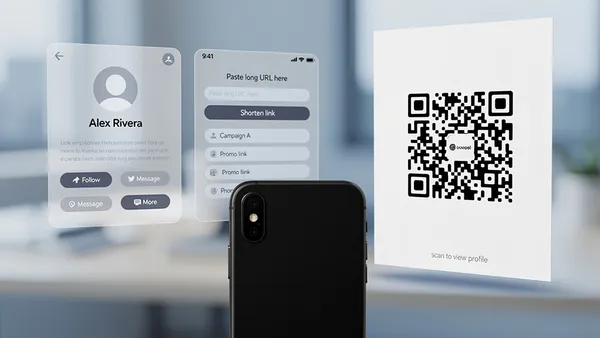
Dynamic QR codes use a short redirect URL that points to your actual destination. The QR code pattern encodes this short URL, and when scanned, users are redirected to your target content. This redirect can be changed at any time.
Advantages of Dynamic QR Codes
- Edit destination URL without reprinting
- Track scans with detailed analytics
- Shorter URLs mean cleaner, easier-to-scan codes
- Schedule content changes in advance
- A/B test different landing pages
Limitations of Dynamic QR Codes
- Require internet connection to redirect
- Typically require a subscription service
- Dependent on the QR code provider's uptime
When to Use Each Type
Choose static QR codes for WiFi network credentials, vCard contact information, plain text that won't change, one-time use codes, or situations without internet access.
Choose dynamic QR codes for marketing campaigns, product packaging, event materials, any content that might need updates, or when you need to track engagement.
The Quality QR Approach
At Quality QR, we believe dynamic QR codes offer the best value for most business use cases. That's why we include one free dynamic QR code on our free tier—no expiration, no watermarks, and scan analytics.
Ready to create your first dynamic QR code? Get started for free today.